Blog · Clinic growth, honestly
The enquiry that arrives at 9pm - and why your website has to answer for you
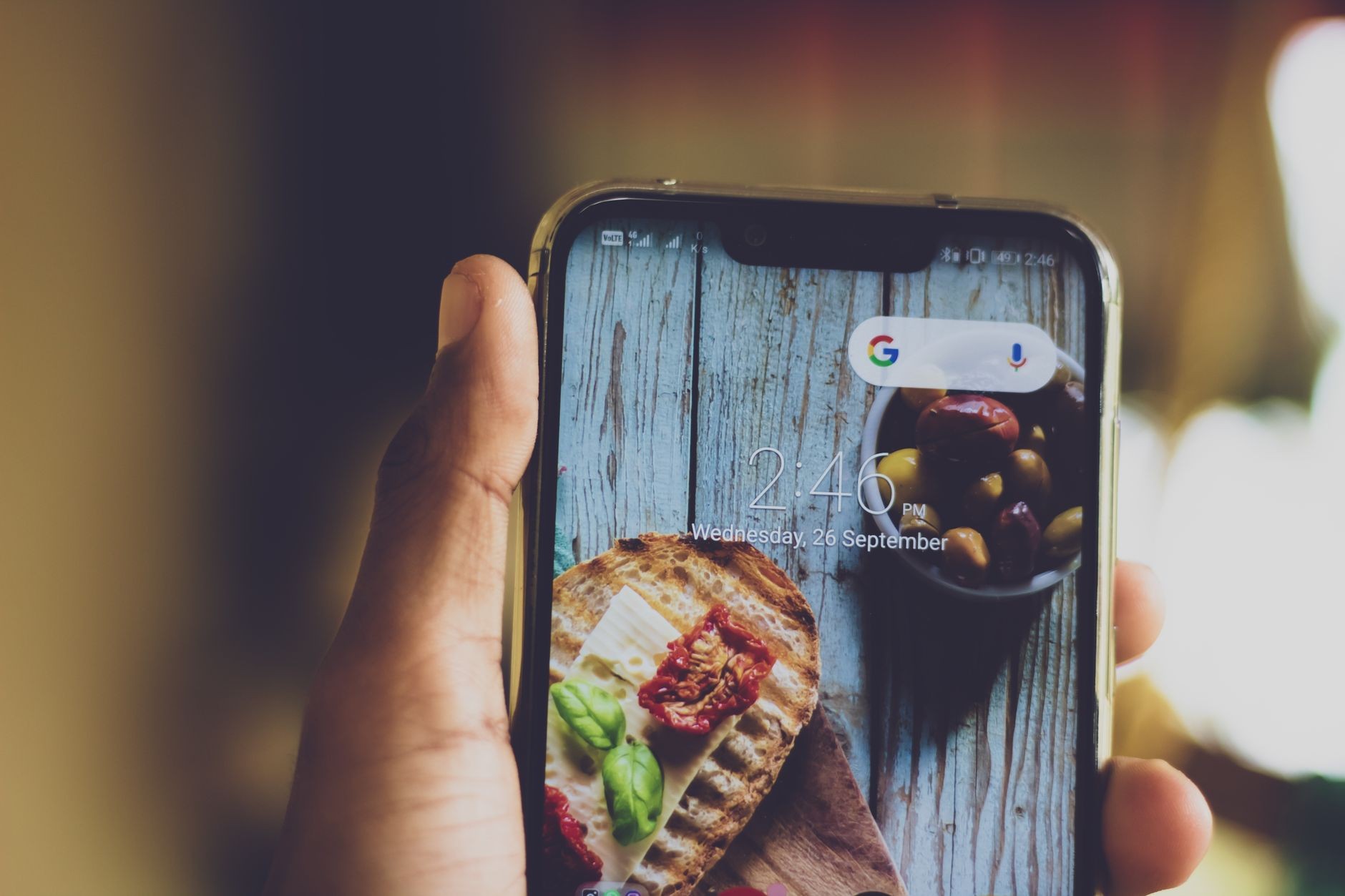
Most people don't enquire about a treatment during business hours. They think about it on the couch at night, after work, over a weekend - the moments when your front desk is closed and your phone rings out. That gap is where quiet clinics lose enquiries they never knew they had.
Here is the part owners underestimate: an after-hours visitor rarely waits. If your site only offers a phone number and a contact form that lands in an inbox nobody checks until Tuesday, the interest cools. By morning they have often messaged two other clinics and booked with whoever answered first.
Why the phone number isn't enough A phone number assumes someone is there to pick up. After hours, it is a dead end dressed up as a call to action. The visitor came ready to act, and the site had no way to hold onto them.
What "answering" actually looks like It does not mean pretending a person is online at midnight. It means a clear, honest capture path - lead-capture chat that takes the enquiry, answers the obvious first questions, and books it or flags it for your team to follow up first thing. The visitor gets a next step. You get the enquiry waiting for you, not lost.
This is the difference between a website that presents your clinic and one that works as your after-hours front desk. One looks nice. The other quietly captures the enquiries the closed sign used to cost you.
If you run an owner-operated skin clinic where the phone stops the moment you are with a client, this is the leak worth closing first. See how a done-for-you clinic site handles it at Made for the clinic that is the receptionist, or read about the three core services.
What about the calls you miss during the day?
The 9pm enquiry has a daytime twin, and it is bigger than most owners realise. In an owner-operated clinic the phone rings while you are gloved up mid-treatment, and it rings out. That caller is the warmest lead a clinic gets, someone who chose you and dialled, and the silence they hear costs more than any after-hours gap. The repair is unglamorous and effective: missed-call text back, an automatic SMS sent within seconds of the missed ring that says you saw the call and gives them a way to book or reply. The caller stays held instead of moving to the next clinic on the list.
How fast do you actually need to respond?
Faster than feels reasonable from inside the clinic. From the enquirer's side, the message they sent at 9.14pm is the moment their interest peaked; every hour that passes cools it, and by the next afternoon it can feel like an old decision. They usually message more than one clinic, which turns response time into a race whether you knew you were in one or not. We have written before about why the first clinic to reply usually wins the booking, and nothing about that dynamic switches off at 5pm. Speed matters at midnight for the same reason it matters at midday, and only one of those hours can be covered by a person.
Is capturing the enquiry enough, or does the booking path matter too?
Capture is half the job. What happens in the next thirty seconds is the other half. An after-hours system that answers the enquiry and then dumps the person onto a clunky booking journey (seven taps, a form, an account to create) sheds a share of them at every step. The whole path from message to confirmed appointment has to be short, and it is worth literally counting the steps: we did exactly that in count the taps in your booking path. A visitor at 9pm has the least patience and the most alternatives they will ever have. The clinics that convert them are the ones where interest to booked is a straight line.
What should an after-hours system never do?
Pretend. It should not pose as a human being awake at midnight, and it should not confirm a booking it cannot actually make. An honest capture path tells the visitor what happens next and then makes it happen: the question answered where it safely can be, the enquiry logged, the follow-up landing first thing. Trust built at 9pm is easily spent by a system that overpromises. The point is to hold the enquiry honestly, not to fake a front desk.
Common questions
Do patients mind dealing with automated chat at night?
Not when it is honest about what it is. What frustrates people is a chat that pretends to be a person or promises things it cannot deliver. A capture path that answers the obvious first questions, takes the enquiry and says clearly when a human will follow up gives the visitor a real next step, which is more than a ringing phone offers at 9pm.
Is a contact form enough to catch after-hours enquiries?
Rarely. A form that lands in an unwatched inbox delays the response until someone opens email, and it gives the visitor nothing back in the moment. The enquiry is technically captured but practically cold. A path that responds instantly, even just to acknowledge and set expectations, holds interest in a way a silent form cannot.
What is missed-call text back?
An automatic SMS sent seconds after your clinic misses a call, telling the caller you saw them ring and giving them a way to book or reply by text. It turns a rang-out call from a dead end into an open conversation, and it works during business hours as well as after them, whenever the phone cannot be answered.
Next step
See what Convayro would build for your clinic
Book a call to see how it works.
Book a free strategy call